Learning from Regional Landmark Marathons: Operational Insights and Trends

By Benjamin Yeow, Chief Executive Officer, CheckPointSpot
During a site visit to the Borobudur Marathon 2025 in November, I observed key operational and experiential aspects of landmark endurance events in Southeast Asia. These observations provide insight into emerging trends in marathon organisation, race technology, and participant engagement, highlighting standards of professional execution across the region.
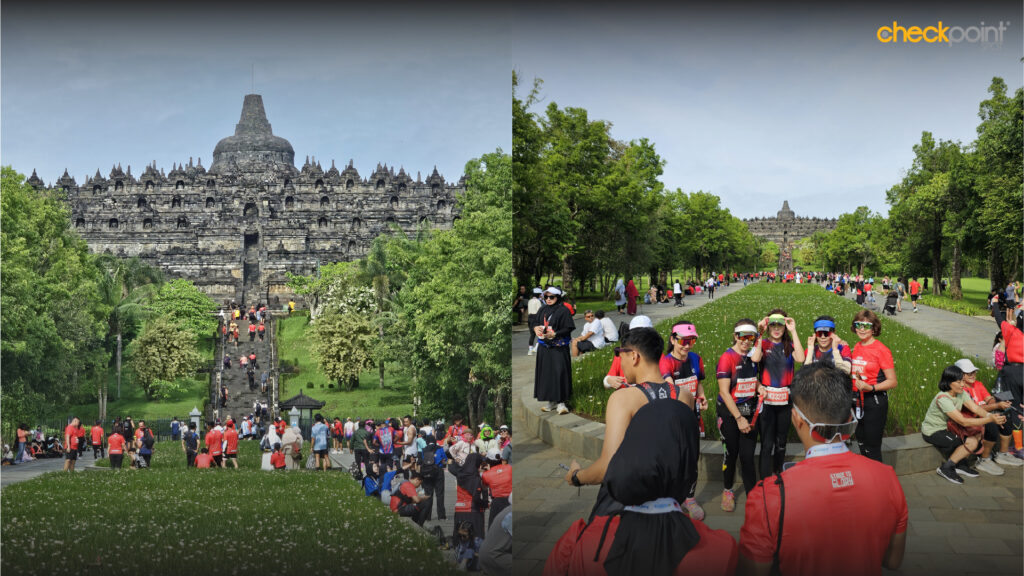
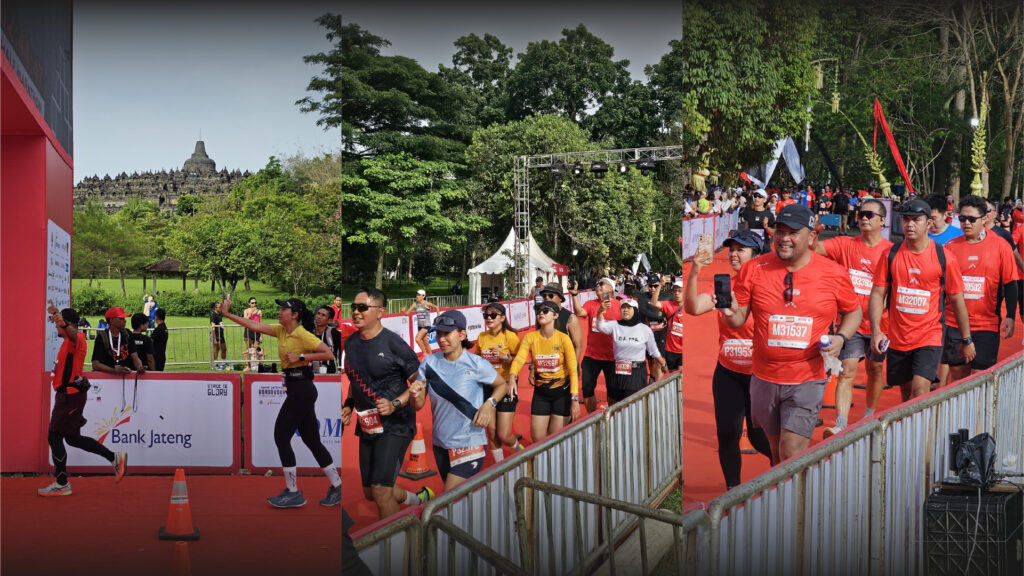
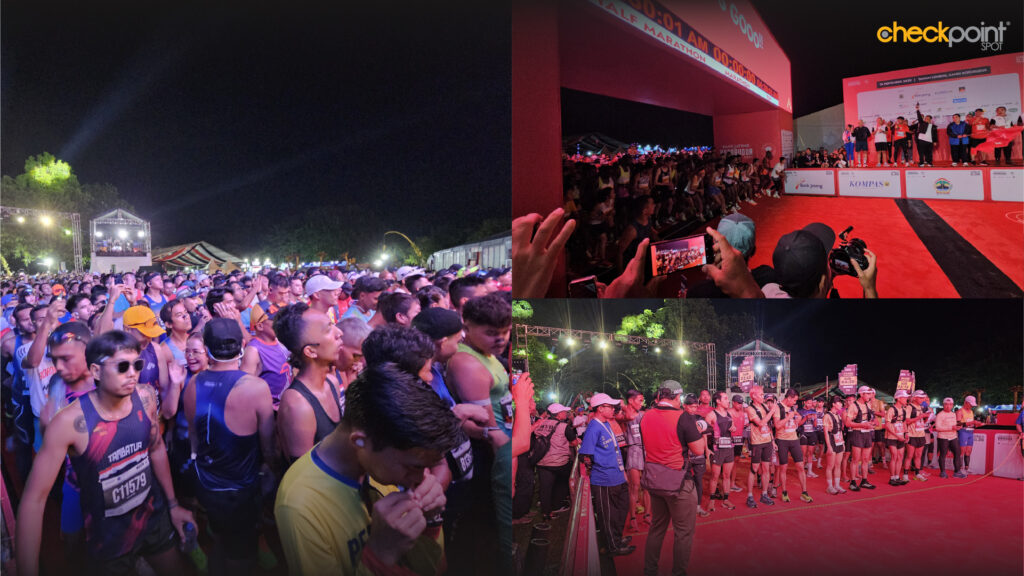
A defining feature of the Borobudur Marathon is its unique course setting in the vicinity of the UNESCO World Heritage Borobudur Temple. The combination of cultural heritage, scenic backdrop, and festival-style race village creates a distinctive runner experience and positions the event as a marquee attraction. On race day, the entire city of Magelang was jam-packed with spectators and participants, demonstrating the event’s scale and the significant local economic impact generated by visitors, vendors, and tourism-related activity.
From an operational perspective, such landmark venues require meticulous planning in timing accuracy, participant flow management, and on-site logistics. The Borobudur Marathon also showcased advanced operational practices: the timing team operated a series of TV monitors displaying live CCTV feeds of critical checkpoints and key locations, ensuring that timing integrity and participant safety were actively monitored across the course.
One detail that stood out during the Borobudur Marathon was the use of a continuous Blue Line along the entire course. This line marks the AIMS-certified race route, ensuring that runners follow the accurately measured distance. Its presence demonstrates the organisers’ commitment to professional standards and operational precision — a feature that signals that this is one of the few races in the region that takes timing and race integrity seriously.
The only comparable event in the region in a similar UNESCO World Heritage site is the Angkor Empire Marathon in Cambodia, which CheckPointSpot has timed. Both events are measured to AIMS standards, ensuring course accuracy and reinforcing operational reliability.
Observing these landmark marathons reinforced several key operational insights:
- Integration of cultural landmarks with marathon operations requires meticulous planning in timing, route management, and media coordination.
- High-profile race infrastructure, including festival-style villages, live broadcasting, and CCTV monitoring, demands scalable and repeatable timing systems.
- Local economic impact of landmark events can be substantial, underscoring the broader value of professional event execution.
Regional trends in professionalisation — AIMS-certified courses, route marking, and integrated timing technology — are increasingly common, reflecting growing consistency and standards across Southeast Asia.
These insights are relevant for organisers, partners, and investors, demonstrating that delivering reliable and repeatable timing operations requires attention to detail, advanced systems, and scalable workflows. They also highlight the strategic value of iconic venues in differentiating events, enhancing participant experience, and generating broader economic benefits.
By analysing these events, CheckPointSpot strengthens its understanding of regional race operations, positioning the company to provide professional, scalable, and technology-driven timing solutions across diverse endurance events.