Race Operations and Technology Observations from the Nanjing Lishui Half Marathon 2026
CheckPointSpot observes race day operations and race technology deployment at a large participation endurance event in Nanjing.
Key Observations
- The half marathon category saw participation exceeding 10,000 runners, illustrating the scale of coordination required for large participation events.
- Runners were released in two start waves to manage course congestion and improve early-stage race flow.
- A central command centre coordinated operations among organisers, officials and medical teams throughout the event.
- Race checkpoints captured split times along the course, supported by redundant data capture points to ensure reliability.
- Finish-line verification systems were deployed alongside race infrastructure to support results validation.
Nanjing, China – CheckPointSpot recently attended the Nanjing Lishui Half Marathon in Nanjing to observe race-day operations at a large-scale endurance event.
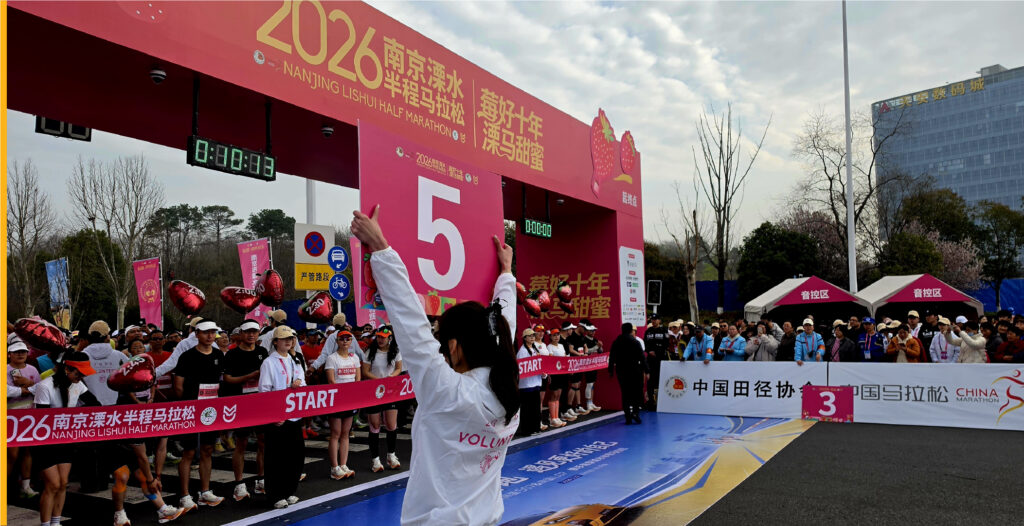
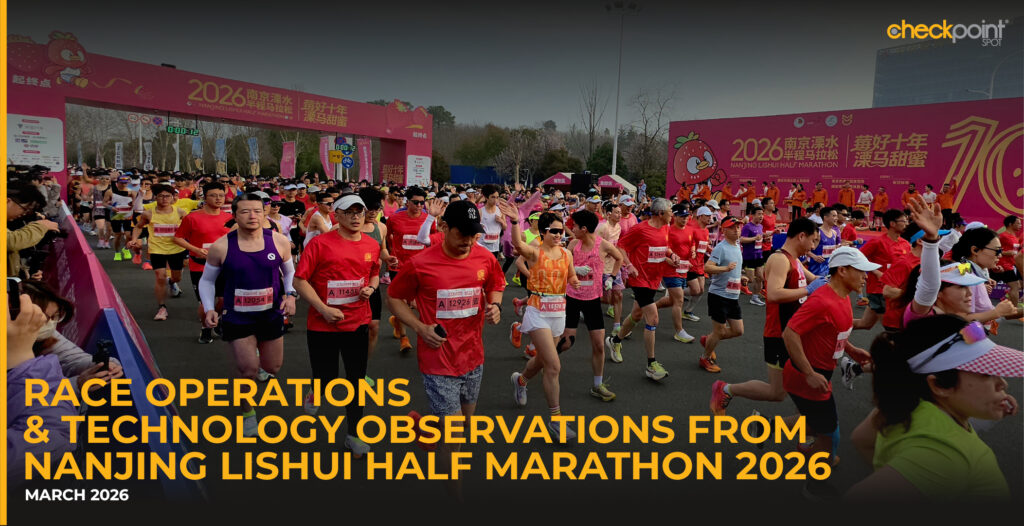
The half marathon category alone recorded participation exceeding 10,000 runners, highlighting the level of planning required to coordinate high-volume races. To manage runner flow, participants were released in two start waves, allowing runners to enter the course progressively and reducing congestion during the early stages of the race.
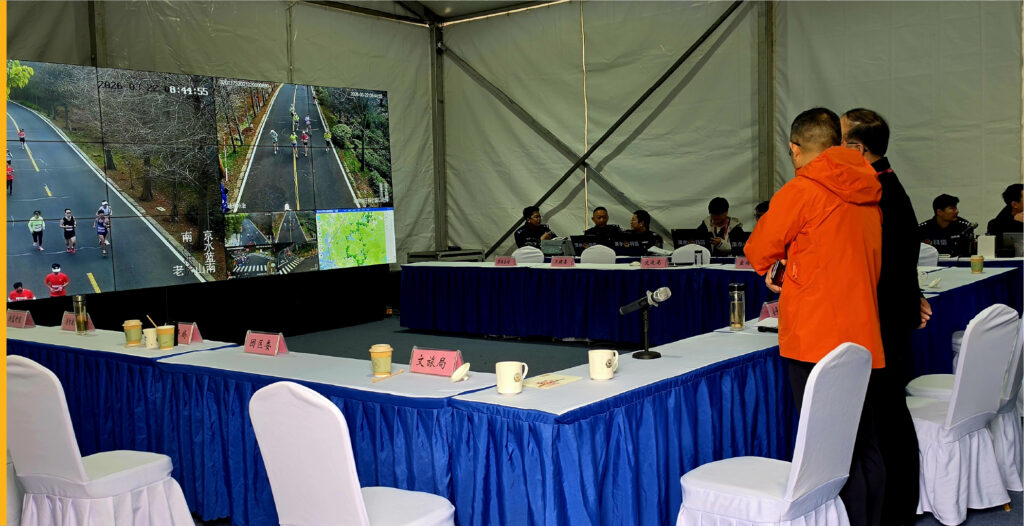
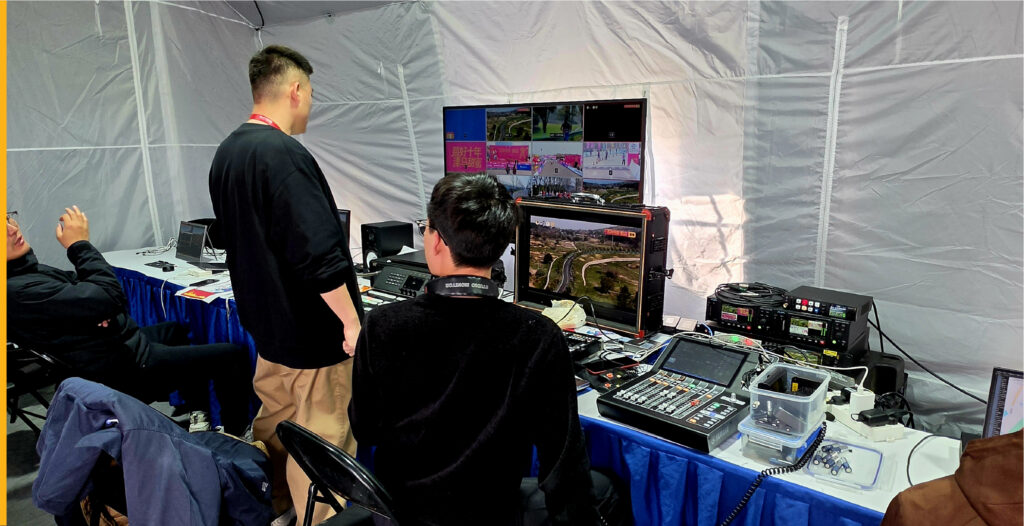
Race-day operations were coordinated from a central command centre where organisers, race officials and medical teams monitored the event in real time. A dedicated medical coordination unit was also present, underscoring the importance of safety planning for large endurance events.
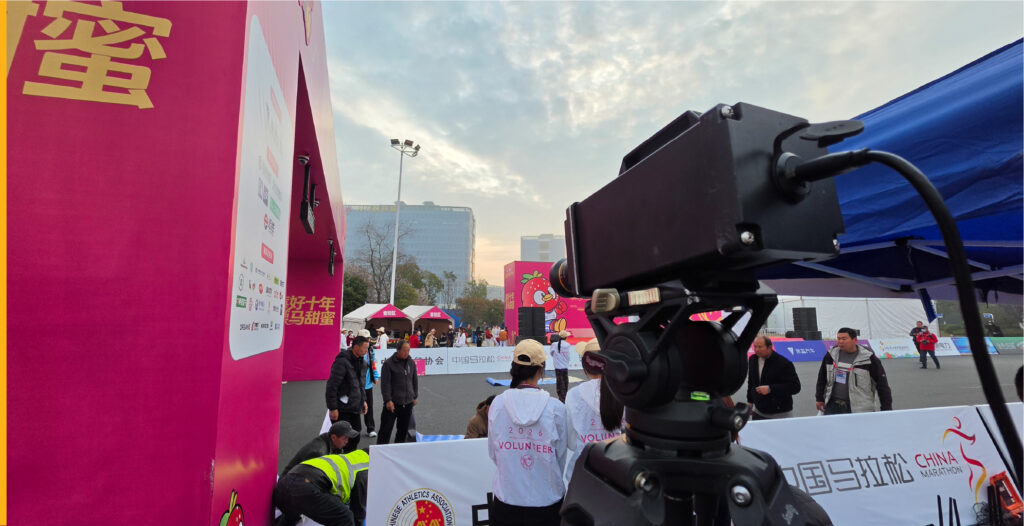
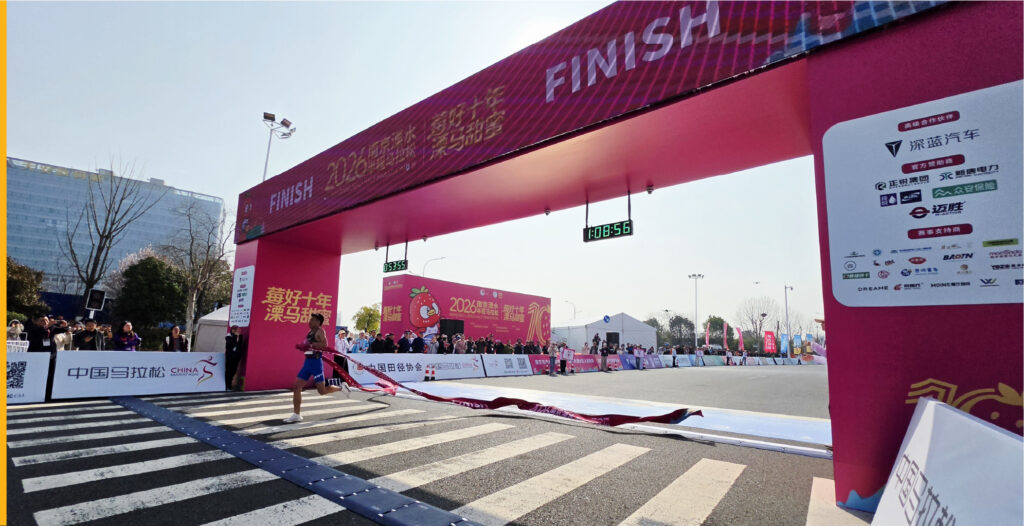
Along the course, timing checkpoints were positioned to capture runner split times, with redundant timing lines supporting reliable data capture throughout the race. At the finish area, camera systems were deployed alongside timing infrastructure to support post-race verification processes.
Once the final start wave had been released, volunteers began rehearsing finish-area procedures, including cone deployment and prize presentation preparations, ensuring operational readiness as runners approached the final stages of the race.
“Large participation races rely on a combination of race technology, operational coordination and course management to deliver accurate results and a smooth experience for thousands of runners,” said Roy Yeow, Chief Technology Officer of CheckPointSpot.
“From how checkpoints capture race data to how verification systems support results processing at the finish line, organisers must ensure both reliability and operational efficiency. Observing how different races structure these elements provides valuable insight into how endurance events continue to evolve.”
As a race data and technology platform supporting endurance events across multiple markets, Checkpointspot regularly observes large-scale races to better understand how operational practices and race technology continue to evolve globally.
Insights gathered from these observations contribute to the company’s ongoing efforts to support race organisers and participation events through technology and operational expertise.
Series: Race Operations Insights